
NeuroBat Lab · UC Berkeley · HHMI
Neuroscience of Natural Intelligence
Nature ran the experiments. We study the neural solutions.
We use natural behavior as the experimental window into the neural solutions produced by evolution, combining neuroethology, neurotechnology, and NeuroAI to uncover general principles of brain function.
01 The Philosophy
Natural intelligence is what brains evolved to do.
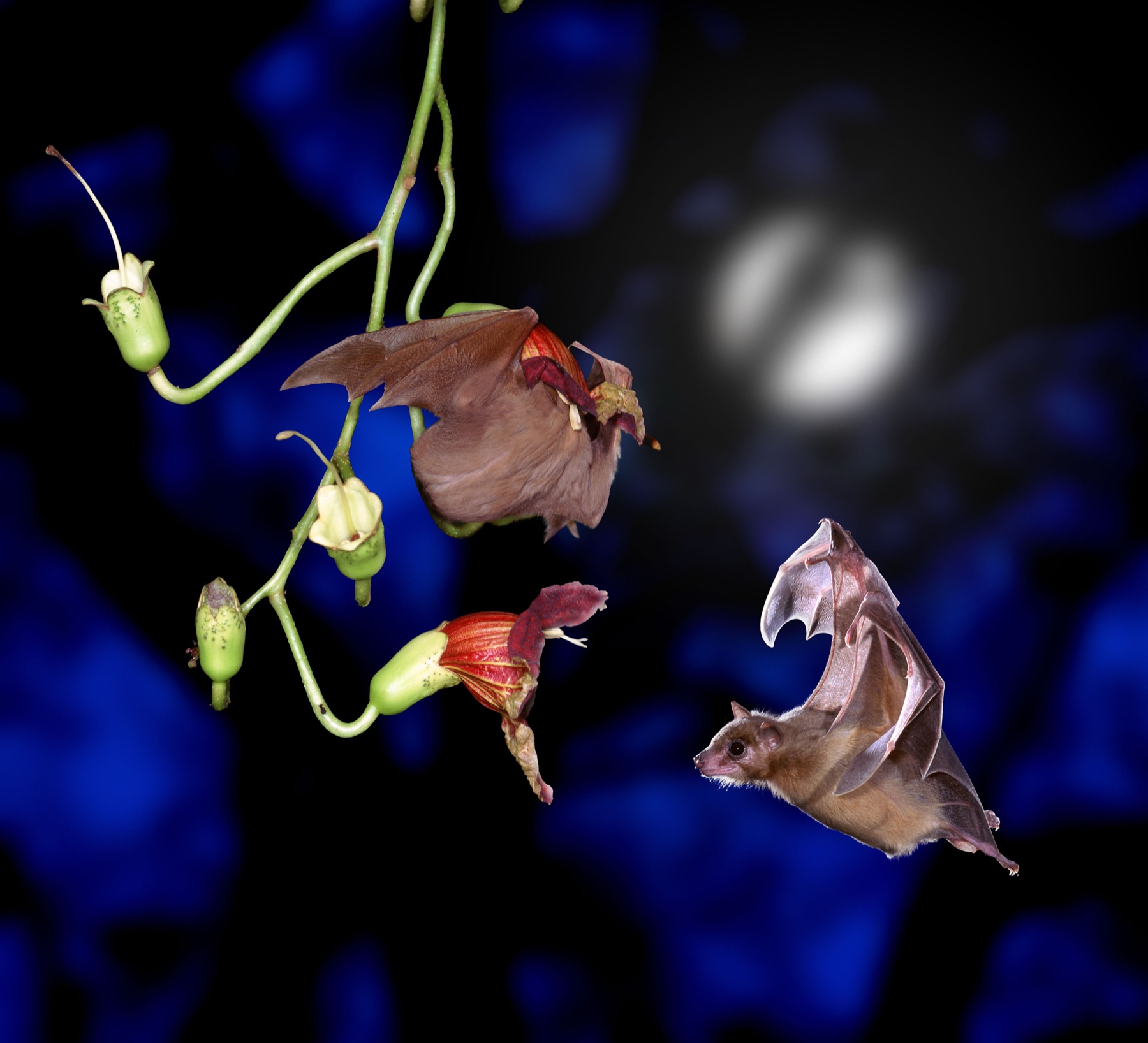
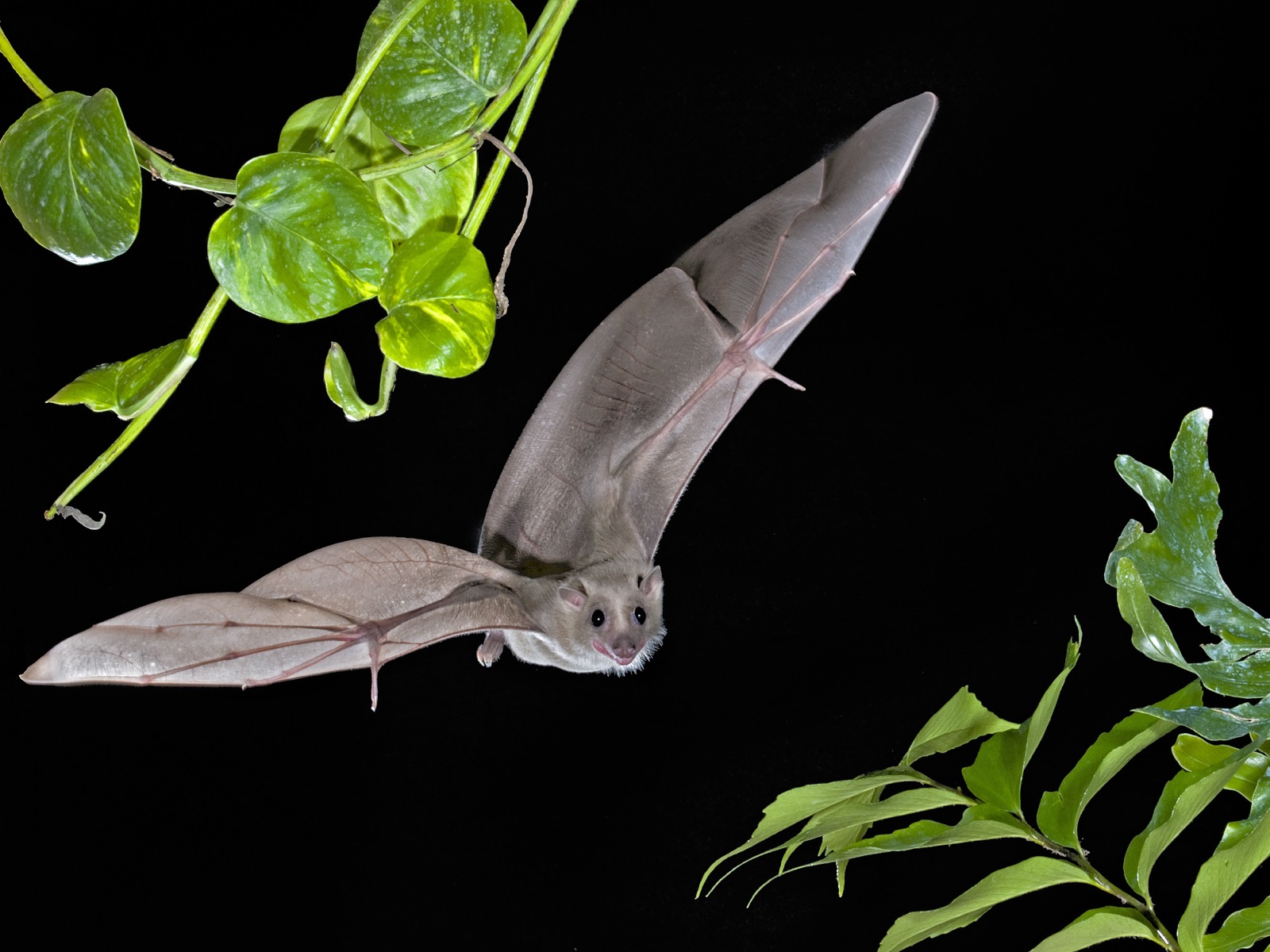
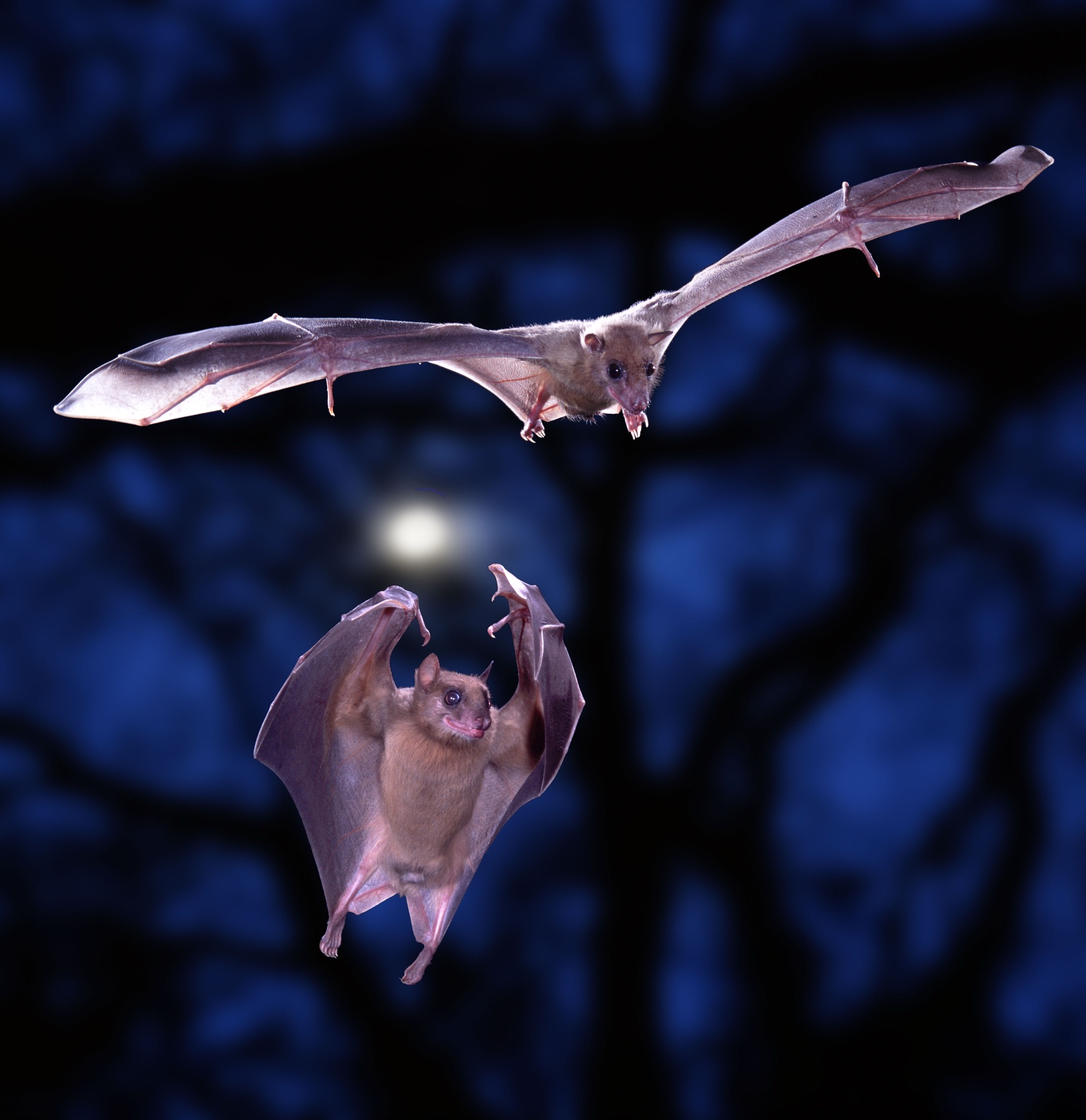
Animals possess extraordinary natural abilities: navigating, communicating, moving through the world, living together. We study how the brain makes these abilities possible, and the general principles they reveal.
Natural behavior is where natural intelligence is expressed. It provides a powerful experimental window into the underlying neural mechanisms (Forli & Yartsev, Cell, 2024). And it is the behavior that matters, not just the setting: natural behavior is what you do, not just where you are (Yartsev, Nature Neuroscience, 2026).
Bats are the model, not the endpoint.
Their remarkable abilities give us powerful experimental access to fundamental neural mechanisms.
02 The Framework
Three pillars. One mission at their intersection.
The Neuroscience of Natural Intelligence
Nature has already run the experiments. By studying natural behavior with modern tools and theory, we uncover the neural solutions evolution has produced, and what they teach us about brain function in general.
Natural Intelligence
The neural solutions produced by evolution: a vast repertoire of mechanisms for perceiving, navigating, communicating, and deciding in the real world.
Natural Behavior
Where those neural solutions are expressed and can be studied in their biologically meaningful form.
Neuroethology + Neurotechnology + NeuroAI
Begin with evolved behaviors. Measure them with wireless recordings, imaging, and tracking. Uncover principles from rich naturalistic data with modern theory and modeling.
03 What We Study
Real behavior. Across the brain.
Natural behavior is not generated by one brain area or one neural system. For example, a single flight can draw simultaneously on spatial representations, memory, motor control, social information, sensory processing, and communication. Our research follows these computations across brain systems, asking how they support the behaviors animals naturally perform.
The behavior defines the question; the brain tells us where to look.
An illustrative synthesis of selected findings from the lab, showing how a single natural behavior, aerial foraging, can engage multiple neural systems. The traces are grounded in different studies, not necessarily one simultaneous recording.
Each trace draws on published work: remarkably stable hippocampal firing fields in flight (Liberti et al., Nature, 2022) alongside nonlocal coding of positions meters ahead (Dotson & Yartsev, Science, 2021); time-compressed replay during rest (Forli et al., Nature, 2025); a high-dimensional population code, with varying neuronal sparsity, for dexterous flight control (Styr et al., bioRxiv, 2026); spatial codes modulated by other bats’ positions, identities, and standing in the social network (Forli & Yartsev, Nature, 2023); and echolocation click pairs at ~8 Hz. Hover a dimension to isolate it, and watch for the bat to rest.
04 The Toolkit
Technologies built for the night shift.
Bats do not hold still for measurement, so the instruments learned to fly. That demand built a toolkit for freely behaving and flying bats, one study at a time. Hover any tool to see what it does; click it for the full history on the research page:
A complete tool set, one question at a time.
Hover a tool · click through for the full history.Tap a tool · tap again for the full history.
Spatial Social Communication Motor All behaviors color = the behavior that first called for it
Wireless ephys · Multi-brain recordings · Automated flight rooms · Wireless calcium imaging · Optogenetics · Chemogenetics · Genomics + ML · Neuropixels in flight · 3D markerless tracking · NeuroAI · Event cameras & voltage imaging
05 Featured Work
Recent discoveries from the night shift.
Selected recent examples of how natural behavior, and the tools built to study it, reveal fundamental neural mechanisms across the brain.
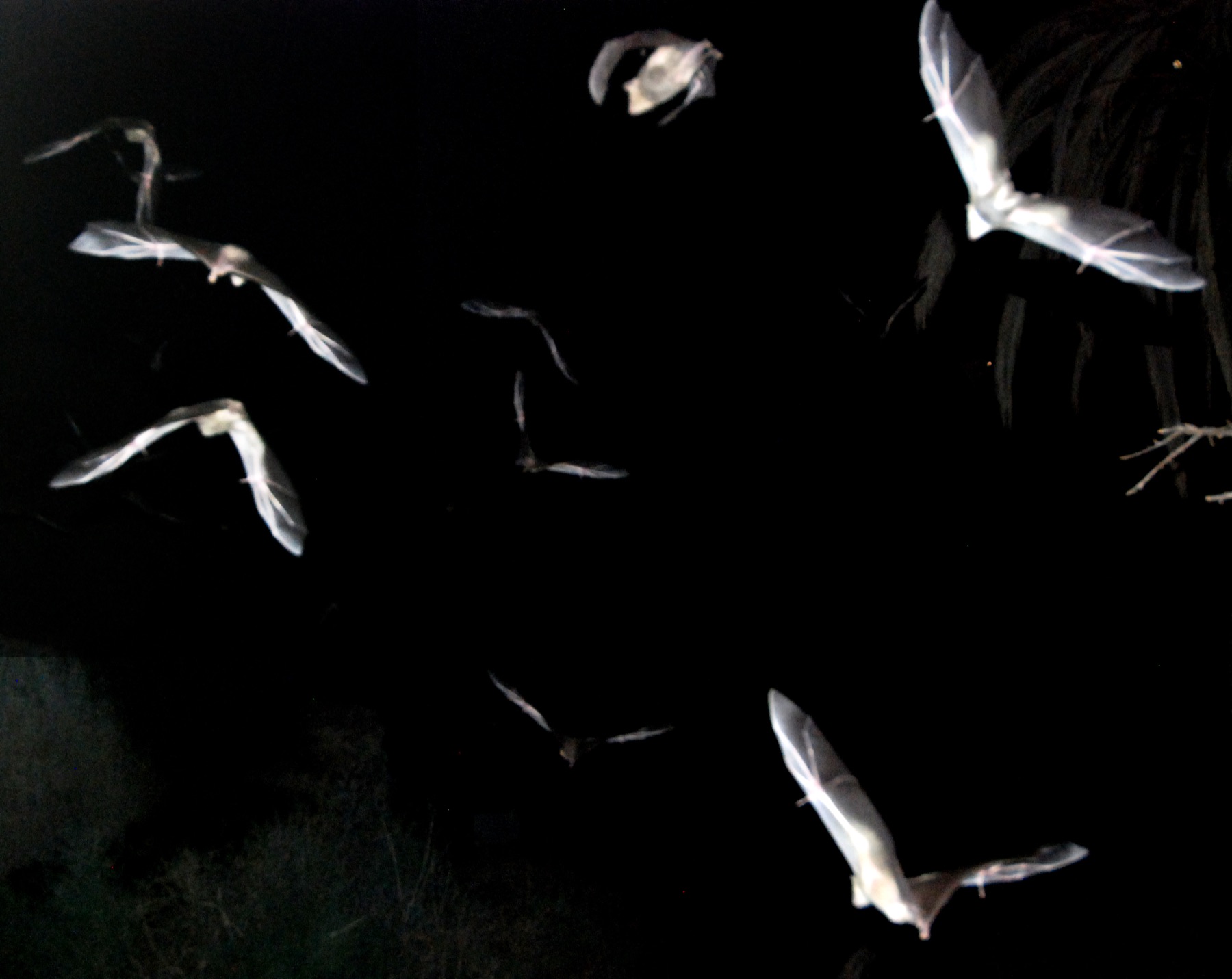
Replay and representation dynamics in the hippocampus of freely flying bats
Revealing how the hippocampus represents and replays trajectories through three-dimensional space.
Read paper →A two-dimensional grid-cell code for three-dimensional navigation
Showing how a low-dimensional neural organization can support navigation through a three-dimensional world.
Read paper →
A high-dimensional neural code for natural dexterous flight
Bats fly with their hands: successive wingbeats recruit distinct neural states as motor cortex supports precise, complex movement.
Click to watch a flight, tracked to the single joint → Read paper →Ultrafast frame-free imaging of neural activity with event cameras
A new approach toward capturing fast neural dynamics during freely expressed behavior.
Read paper →